Spring Pasta With Asparagus And Peas
Highlighted under: Smart Collection
I absolutely adore this Spring Pasta With Asparagus And Peas. The vibrant colors and fresh flavors make it the perfect dish for welcoming warmer days. I find that the combination of al dente pasta with the crisp textures of asparagus and sweet peas is an absolute delight. Not only is this recipe quick and easy to whip up in just 20 minutes, but it also showcases seasonal ingredients beautifully. Every bite feels like a celebration of springtime, making it a recurring favorite in my kitchen.
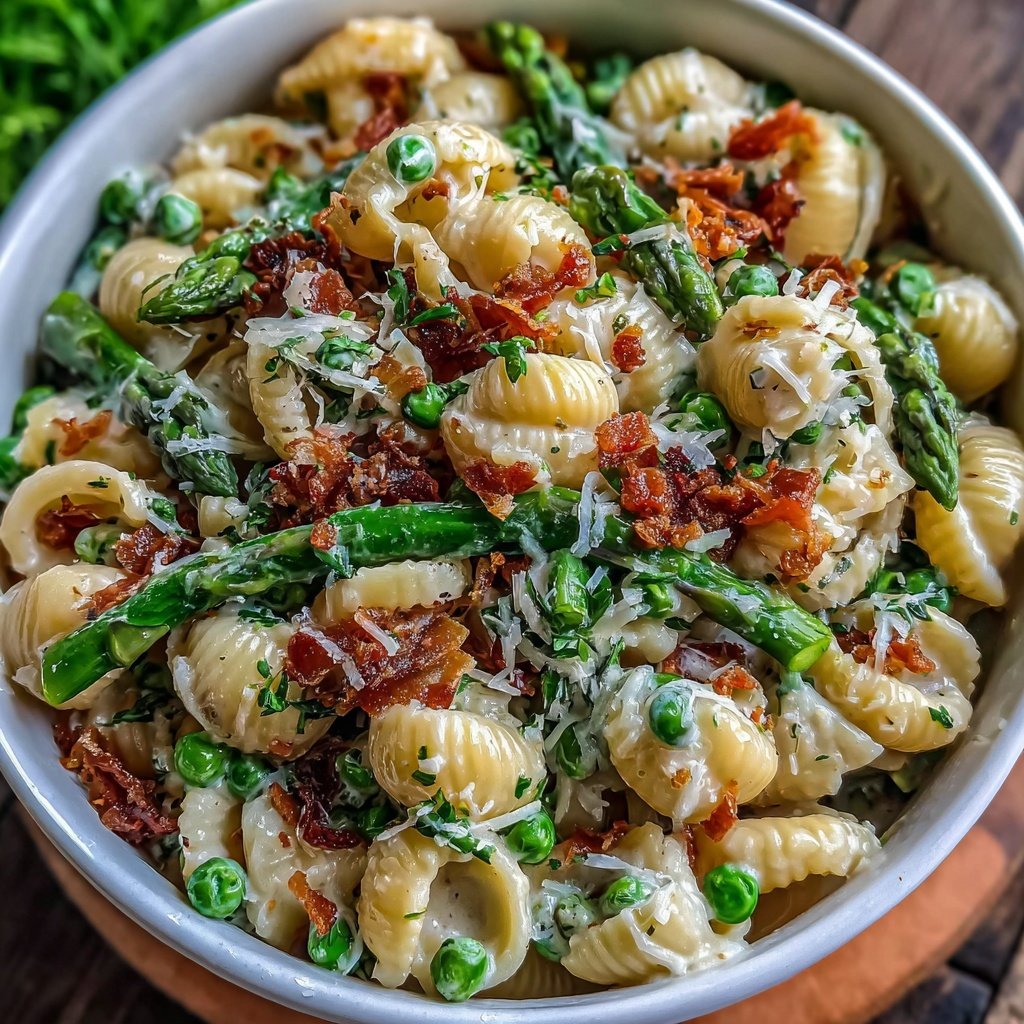
When I first experimented with this Spring Pasta, I was struck by how the simplicity of the ingredients can yield a dish that feels so luxurious. Sautéing the asparagus just until tender brings out its earthy flavor, while the peas add a touch of sweetness that I find delightful. I love to toss everything together with a drizzle of olive oil and a sprinkle of Parmesan, which ties the dish together beautifully.
One of the tips I've learned over time is to use freshly squeezed lemon juice at the very end. This adds a bright acidity that elevates the dish and balances the richness of the cheese. Whenever I make this recipe, I can’t help but feel a sense of joy and nostalgia for those sunny picnic days.
Why You'll Love This Recipe
- Vibrant colors that brighten up your plate
- Fresh and seasonal flavors that sing of spring
- Ready in just 20 minutes for a quick weeknight dinner
Tips for Selecting Asparagus
When choosing asparagus for this dish, look for bright green stalks with tightly closed tips. Thinner stalks tend to be more tender and flavorful, while thicker stalks can be a bit woody. If you find asparagus that feels slightly bendy, that’s a sign of freshness—avoid any that are limp or wilted. To keep your asparagus crisp, you can stand the stalks upright in a jar with water like a bouquet until you're ready to use them.
If you don’t have access to fresh asparagus, you can substitute with green beans or snap peas, which will still bring that nice crunch to your pasta. Always remember, the key to this recipe is to ensure a balance of textures and flavors, so choose alternatives that are bright and vibrant.
Maximizing Pasta Flavor
Adding the reserved pasta water is crucial in this recipe as it helps create a silky sauce that clings beautifully to the pasta. The starches in pasta water work to emulsify the olive oil and lemon juice, giving the dish a glossy finish. If you find your pasta is too dry after combining everything, you can always add a little extra pasta water a tablespoon at a time to achieve your desired consistency.
For a richer flavor, try using freshly grated Parmesan instead of pre-packaged options. Freshly grated cheese melts better and offers a creamier texture that enhances the overall dish. For those wanting a vegan alternative, nutritional yeast can be a fantastic substitute, delivering umami without the dairy.
Serving and Storing
This dish is best enjoyed fresh but can also be stored in an airtight container in the fridge for up to three days. When reheating, I recommend doing so gently on the stove with a splash of olive oil or reserved pasta water to revive that creamy sauce texture. Microwaving can sometimes lead to a dried-out pasta, so opt for the stovetop method when possible.
For a delightful twist, consider adding protein like grilled chicken or shrimp to the pasta before serving. This addition not only boosts nutrition but also turns the dish into a heartier meal suitable for any occasion. You could also sprinkle some toasted pine nuts or chopped walnuts on top for a lovely crunch.
Ingredients
For the Pasta
- 300g pasta (spaghetti or fettuccine)
- 200g asparagus, trimmed and cut into bite-sized pieces
- 150g fresh or frozen peas
- 2 tablespoons olive oil
- 2 cloves garlic, minced
- Salt and pepper to taste
- 50g Parmesan cheese, grated
- 1 lemon, juiced and zested
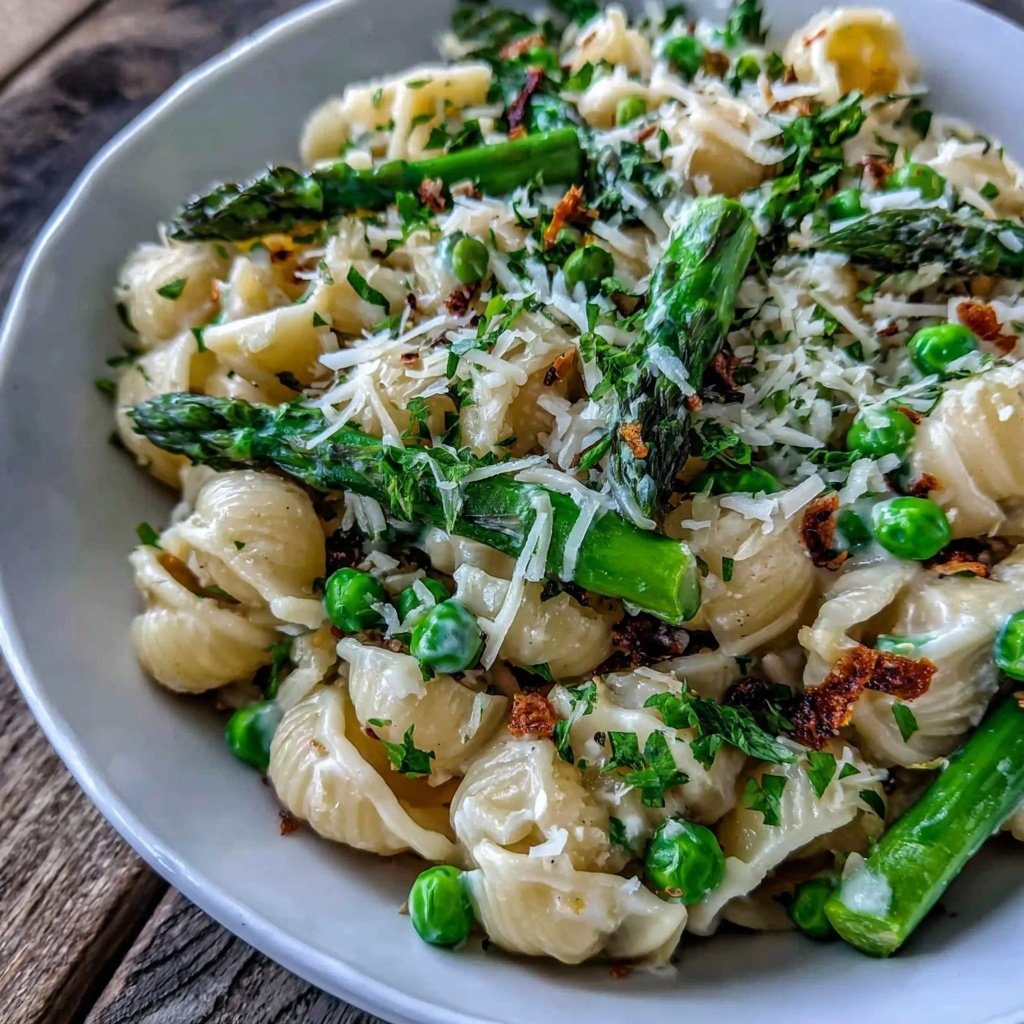
Enjoy this colorful dish that embodies the essence of spring!
Instructions
Cook the Pasta
In a large pot of salted boiling water, cook the pasta according to the package instructions until al dente. Reserve 1 cup of the pasta water, then drain and set aside.
Sauté the Vegetables
In a skillet, heat the olive oil over medium heat. Add the garlic and sauté for about 1 minute until fragrant. Then, add the asparagus pieces and cook for 3-4 minutes until they start to soften. If using frozen peas, add them now and cook for another 2 minutes.
Combine Everything
Add the cooked pasta to the skillet, along with the reserved pasta water, lemon juice and zest. Toss everything together until the pasta is well coated, and season with salt and pepper to taste. Stir in the grated Parmesan and remove from heat.
Serve
Serve hot, garnished with extra Parmesan and a drizzle of olive oil if desired.
This delicious pasta dish is perfect for any occasion!
Pro Tips
- Try adding freshly chopped herbs like basil or mint for an extra layer of freshness.
Ingredient Roles
Asparagus adds to the overall freshness of this dish, providing both texture and nutrients. The slight bitterness of asparagus complements the sweetness of peas, balancing the flavors beautifully. The addition of lemon juice and zest brightens the dish, enhancing the natural sweetness of the vegetables while adding a refreshing zing.
The choice of pasta is also important; spaghetti or fettuccine will catch the sauce nicely. The smooth surface of fettuccine allows for more sauce adherence than a penne or shell pasta, making each bite loaded with flavor. For a gluten-free option, you could use chickpea or lentil pasta, both of which work very well with this recipe.
Variations to Try
Feel free to get creative with seasonal vegetables! Adding fresh peas or spinach can take this dish to another level. You might also want to experiment with herbs—fresh basil or mint would complement the lemon zest wonderfully, adding even more spring flavors.
For additional heat, consider incorporating a pinch of red pepper flakes when sautéing the garlic. This will give the dish exciting depth and a subtle kick that contrasts beautifully with the sweetness of the peas.
Troubleshooting Common Issues
One common issue is overcooking the asparagus, which can lead to a mushy texture. To avoid this, make sure to keep an eye on the asparagus while it’s sautéing, aiming for a bright green color and a slight crunch. If you find that your asparagus is not cooking fast enough, you can quickly blanch it in boiling water for 1-2 minutes before adding it to the skillet.
If your pasta ends up sticky after cooking, it might be due to not using enough water in the pot or allowing it to cook too long. Always ensure that your pot has plenty of water and doesn’t crowd the pasta. Stir gently during the first minute of cooking to prevent sticking, and remember to drain promptly once it's al dente.
Questions About Recipes
→ Can I use frozen asparagus instead of fresh?
While fresh asparagus is recommended for optimal flavor and texture, you can use frozen asparagus. Just ensure you thaw and drain them before adding to the dish.
→ What type of pasta works best for this recipe?
Any pasta works great, but I particularly love spaghetti or fettuccine as they hold onto the sauce nicely.
→ Can I make this gluten-free?
Yes, you can substitute the pasta with a gluten-free variety such as brown rice pasta or quinoa pasta.
→ How do I store leftovers?
Store the leftovers in an airtight container in the fridge for up to 3 days. Reheat gently in a skillet with a little olive oil.
Spring Pasta With Asparagus And Peas
Created by: Tilda Greenwood
Recipe Type: Smart Collection
Skill Level: Easy
Final Quantity: Serves 4
What You'll Need
For the Pasta
- 300g pasta (spaghetti or fettuccine)
- 200g asparagus, trimmed and cut into bite-sized pieces
- 150g fresh or frozen peas
- 2 tablespoons olive oil
- 2 cloves garlic, minced
- Salt and pepper to taste
- 50g Parmesan cheese, grated
- 1 lemon, juiced and zested
How-To Steps
In a large pot of salted boiling water, cook the pasta according to the package instructions until al dente. Reserve 1 cup of the pasta water, then drain and set aside.
In a skillet, heat the olive oil over medium heat. Add the garlic and sauté for about 1 minute until fragrant. Then, add the asparagus pieces and cook for 3-4 minutes until they start to soften. If using frozen peas, add them now and cook for another 2 minutes.
Add the cooked pasta to the skillet, along with the reserved pasta water, lemon juice and zest. Toss everything together until the pasta is well coated, and season with salt and pepper to taste. Stir in the grated Parmesan and remove from heat.
Serve hot, garnished with extra Parmesan and a drizzle of olive oil if desired.
Extra Tips
- Try adding freshly chopped herbs like basil or mint for an extra layer of freshness.
Nutritional Breakdown (Per Serving)
- Calories: 380 kcal
- Total Fat: 16g
- Saturated Fat: 3g
- Cholesterol: 5mg
- Sodium: 85mg
- Total Carbohydrates: 48g
- Dietary Fiber: 4g
- Sugars: 3g
- Protein: 12g