Korean Bibimbap
Highlighted under: Heritage Collection
Discover the vibrant flavors of Korea with this delicious Bibimbap, a mixed rice dish topped with fresh vegetables, marinated meat, and a fried egg.
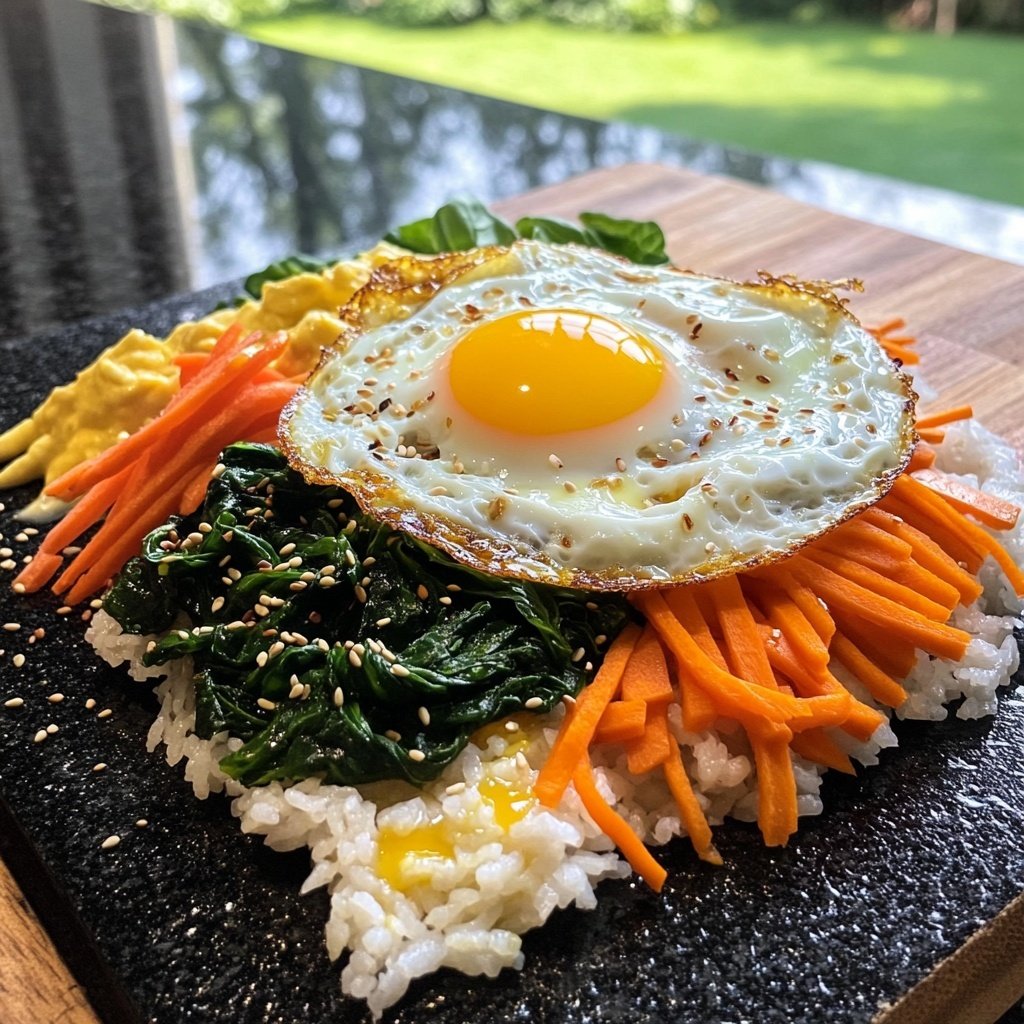
Korean Bibimbap is a beloved dish that represents a harmonious blend of flavors and textures. The colorful ingredients symbolize good fortune and health, making it a feast for both the eyes and the palate.
Why You'll Love This Recipe
- A delightful mix of fresh vegetables and protein
- Customizable with your choice of toppings and sauces
- Perfectly balanced flavors for a satisfying meal
The Heart of Bibimbap
Bibimbap is more than just a meal; it’s a cultural experience that represents the essence of Korean cuisine. The word 'bibimbap' translates to 'mixed rice,' and that’s exactly what you’ll find in this dish. Each ingredient plays a crucial role, contributing unique flavors and textures that come together harmoniously. The vibrant colors of the vegetables not only make for an appealing presentation but also highlight the fresh, wholesome ingredients that make this dish a favorite among many.
Traditionally, Bibimbap is served in a hot stone bowl, which creates a delightful crispy layer of rice at the bottom. This technique not only enhances the flavor but also adds an enjoyable crunch to each bite. While modern variations often serve it in a regular bowl, the spirit of mixing everything together remains unchanged. The joy of Bibimbap is in its versatility, allowing you to customize it according to your taste preferences.
Nutritional Benefits
One of the standout features of Bibimbap is its nutritional profile. Packed with fresh vegetables like spinach, carrots, and zucchini, this dish provides a rich source of vitamins, minerals, and antioxidants. The addition of protein from beef or tofu ensures a balanced meal that can keep you feeling full and satisfied. This combination makes Bibimbap an excellent option for both meat lovers and vegetarians alike.
The inclusion of gochujang adds a kick of flavor along with some health benefits. Made from fermented soybeans, it contains probiotics that can aid digestion. Meanwhile, the sesame oil not only enhances the dish’s aroma but also provides healthy fats that are beneficial for heart health. With such a well-rounded array of ingredients, Bibimbap can be a nourishing option for any meal of the day.
Customizing Your Bibimbap
One of the most appealing aspects of Bibimbap is its adaptability. You can easily swap in your favorite vegetables or proteins based on what's in season or what you have on hand. Want to add some crunch? Toss in cucumbers or radishes. Prefer a different protein? Grilled chicken or shrimp can make a delightful substitution. The key is to maintain a balance of flavors and textures that make each bite exciting.
Moreover, the toppings can vary widely. Some people enjoy a drizzle of soy sauce or a sprinkle of crushed red pepper for extra heat. If you're feeling adventurous, try adding a dollop of kimchi for a tangy twist. The diversity in Bibimbap allows it to cater to various dietary needs and personal tastes, ensuring that there’s always a perfect version waiting to be discovered.
Ingredients
For the Bibimbap
- 2 cups cooked rice
- 1 cup spinach, blanched
- 1 cup bean sprouts, blanched
- 1 carrot, julienned
- 1 zucchini, julienned
- 4 shiitake mushrooms, sliced
- 1 cup cooked beef, sliced (or tofu for a vegetarian version)
- 4 eggs
- Gochujang (Korean chili paste)
- Sesame oil
- Soy sauce
- Sesame seeds
Instructions
Prepare the Vegetables
In a pan, sauté the carrot, zucchini, and mushrooms separately with a little sesame oil until tender. Season with soy sauce.
Cook the Beef
If using beef, marinate it in a mix of soy sauce, sesame oil, and garlic for 30 minutes. Cook in a skillet until browned.
Fry the Eggs
In the same pan, fry the eggs sunny-side up until the whites are set but the yolks remain runny.
Assemble the Bibimbap
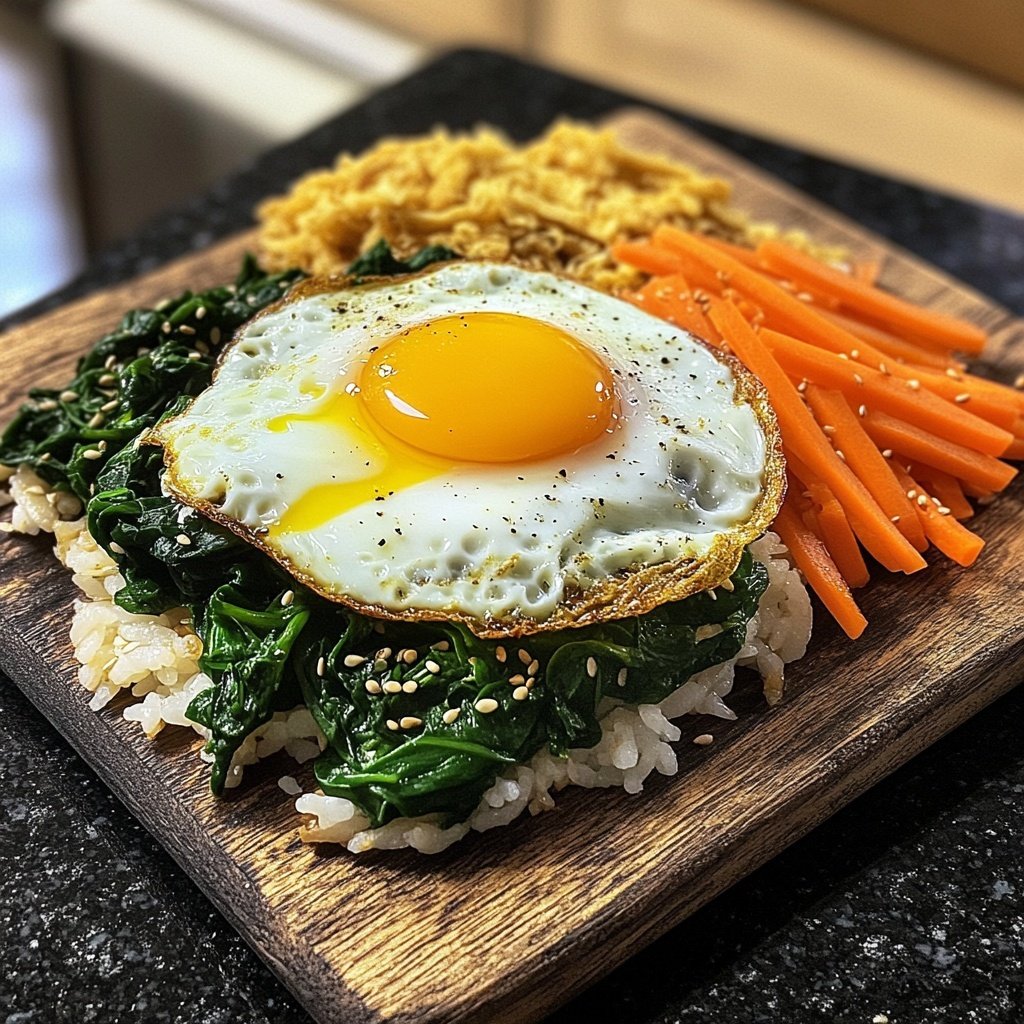
In a bowl, place a serving of rice, arrange the cooked vegetables, beef (or tofu), and top with a fried egg. Drizzle with gochujang and sesame oil.
Serve
Sprinkle sesame seeds on top and mix everything together before eating. Enjoy!
Pro Tips
- Feel free to add your favorite vegetables or proteins to make this dish your own.
Serving Suggestions
Bibimbap is a meal that shines on its own, but pairing it with traditional Korean side dishes can elevate your dining experience. Consider serving it with kimchi, which adds a spicy, fermented flavor that perfectly complements the fresh ingredients in Bibimbap. Other side dishes like pickled vegetables or a simple seaweed salad can also enhance the overall meal, providing a variety of tastes and textures.
For those interested in beverages, a light Korean lager or a refreshing iced tea can pair beautifully with Bibimbap. The crispness of these drinks helps cleanse the palate, allowing you to fully enjoy the medley of flavors in each bite. Whether you’re hosting a dinner party or enjoying a quiet meal at home, these pairings can create a delightful culinary experience.
Storing and Reheating Leftovers
If you happen to have leftovers from your Bibimbap, storing them properly is essential to maintain freshness. Place the components in separate airtight containers to preserve their individual flavors and textures. The rice can be kept for up to three days in the fridge, while the cooked vegetables and protein should ideally be consumed within two days for the best quality.
When it comes to reheating, avoid the microwave if possible, as it tends to make the rice soggy. Instead, try reheating in a skillet over medium heat, adding a splash of water or sesame oil to keep the rice moist. Stir everything together until heated through, and if you like, you can even fry a fresh egg to top it off, bringing your leftover Bibimbap back to life with that signature sunny-side-up touch.
Exploring Variations
Bibimbap is a dish that invites creativity, encouraging cooks to explore various regional and personal variations. For a unique twist, consider making a seafood Bibimbap by incorporating grilled shrimp or octopus, which can provide a delightful change of pace. Alternatively, a spicy version could include a generous amount of gochugaru (Korean red pepper flakes) for those who prefer an extra kick.
Additionally, you can explore fusion variations by incorporating elements from other cuisines. Think of a Mediterranean Bibimbap with roasted bell peppers, olives, and feta cheese, or a Mexican-inspired version with black beans, corn, and avocado. The possibilities are endless, making Bibimbap a versatile canvas for culinary exploration and creativity.
Questions About Recipes
→ Can I make Bibimbap vegetarian?
Absolutely! Simply replace the beef with tofu or additional vegetables.
→ What is Gochujang?
Gochujang is a Korean chili paste that adds a unique spicy-sweet flavor to dishes.
→ Can I prepare the ingredients in advance?
Yes, you can prepare the vegetables and meat a day ahead and store them in the fridge.
→ Is Bibimbap healthy?
Yes, it’s packed with vegetables and can be made with lean proteins, making it a nutritious meal option.
Korean Bibimbap
Created by: Tilda Greenwood
Recipe Type: Heritage Collection
Skill Level: Intermediate
Final Quantity: 4 servings
What You'll Need
For the Bibimbap
- 2 cups cooked rice
- 1 cup spinach, blanched
- 1 cup bean sprouts, blanched
- 1 carrot, julienned
- 1 zucchini, julienned
- 4 shiitake mushrooms, sliced
- 1 cup cooked beef, sliced (or tofu for a vegetarian version)
- 4 eggs
- Gochujang (Korean chili paste)
- Sesame oil
- Soy sauce
- Sesame seeds
How-To Steps
In a pan, sauté the carrot, zucchini, and mushrooms separately with a little sesame oil until tender. Season with soy sauce.
If using beef, marinate it in a mix of soy sauce, sesame oil, and garlic for 30 minutes. Cook in a skillet until browned.
In the same pan, fry the eggs sunny-side up until the whites are set but the yolks remain runny.
In a bowl, place a serving of rice, arrange the cooked vegetables, beef (or tofu), and top with a fried egg. Drizzle with gochujang and sesame oil.
Sprinkle sesame seeds on top and mix everything together before eating. Enjoy!
Extra Tips
- Feel free to add your favorite vegetables or proteins to make this dish your own.
Nutritional Breakdown (Per Serving)
- Calories: 500 kcal
- Total Fat: 20g
- Saturated Fat: 5g
- Cholesterol: 210mg
- Sodium: 600mg
- Total Carbohydrates: 70g
- Dietary Fiber: 5g
- Sugars: 5g
- Protein: 18g